

A Heritage in Danger

Illicit Trafficking of Cultural Heritage
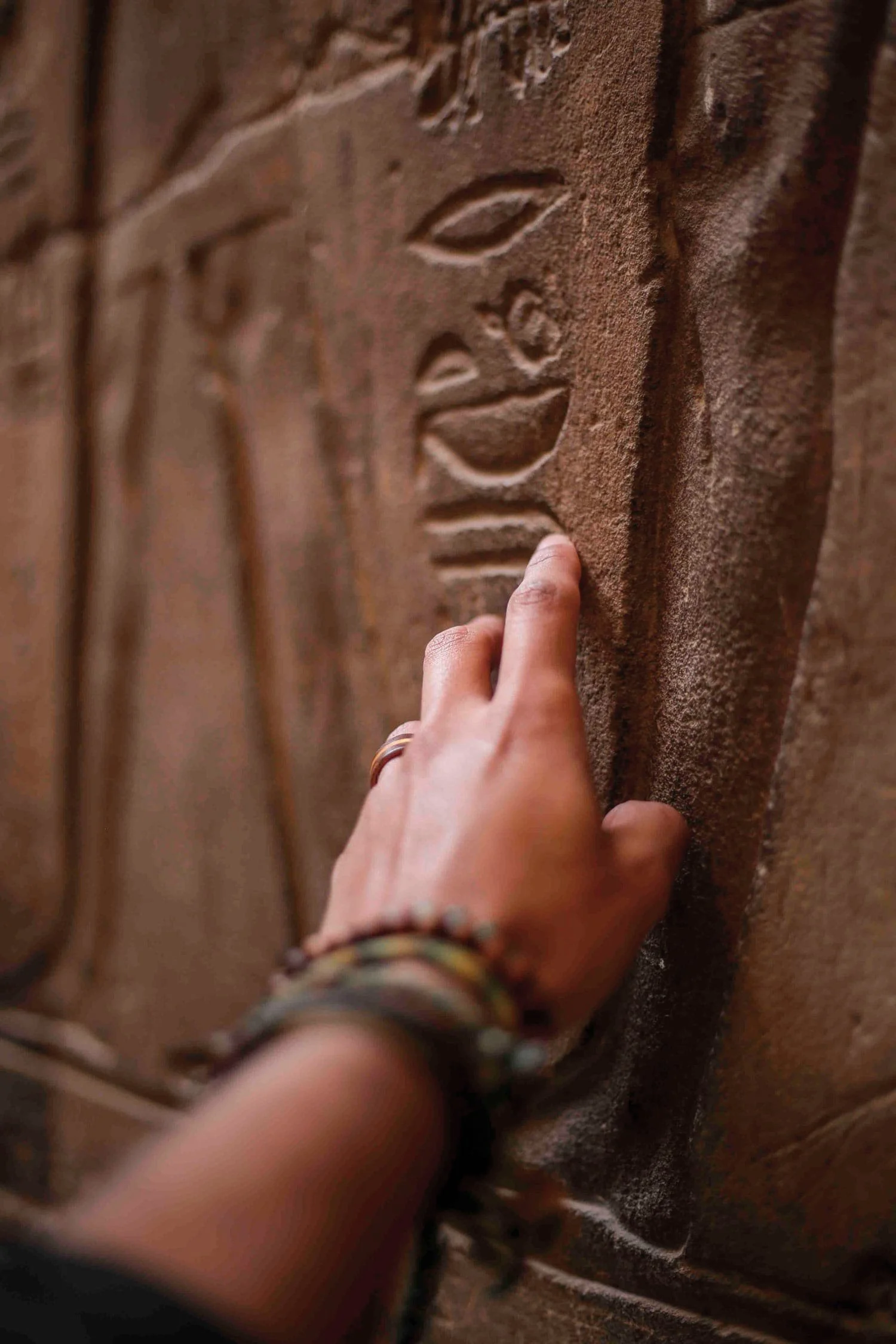

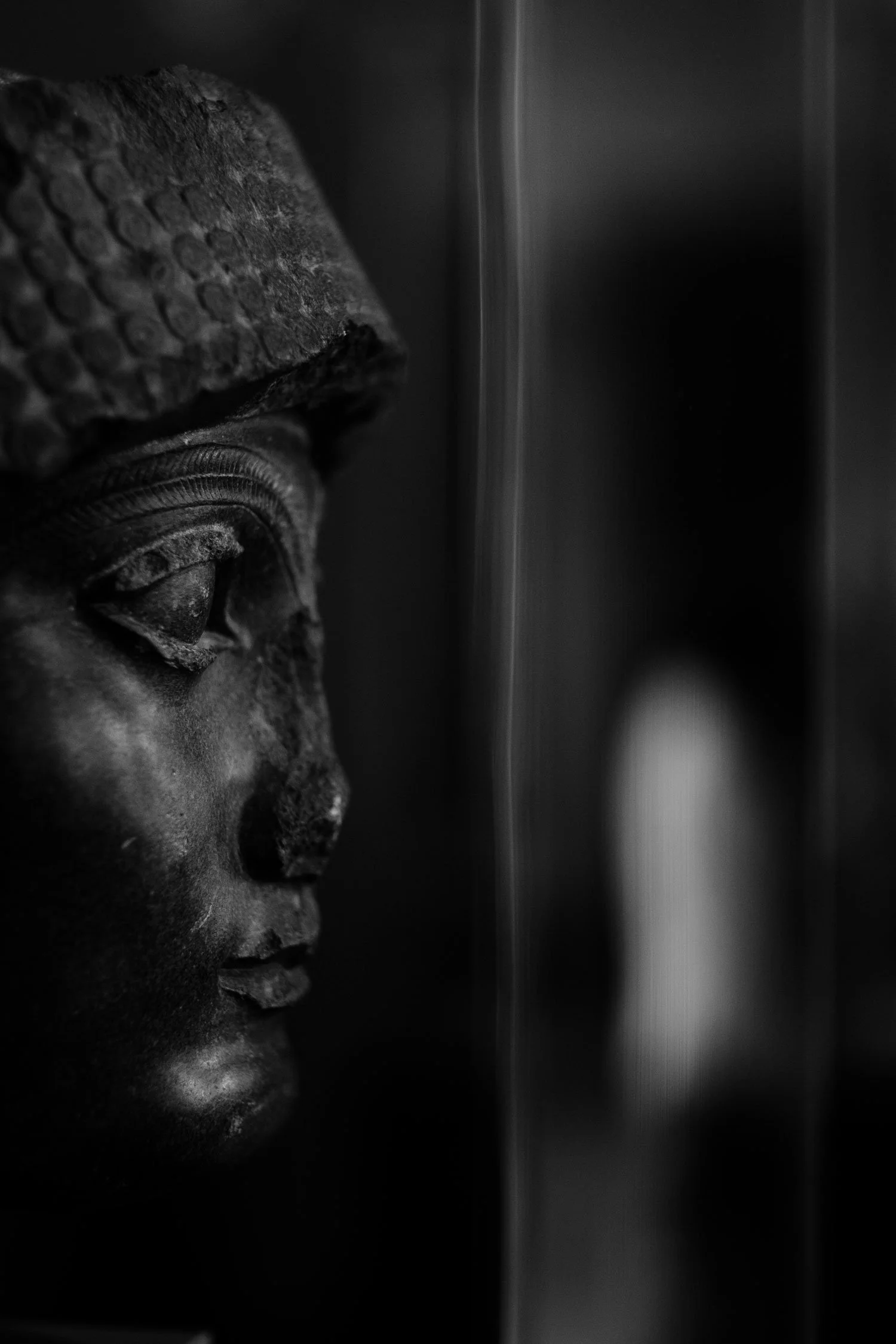
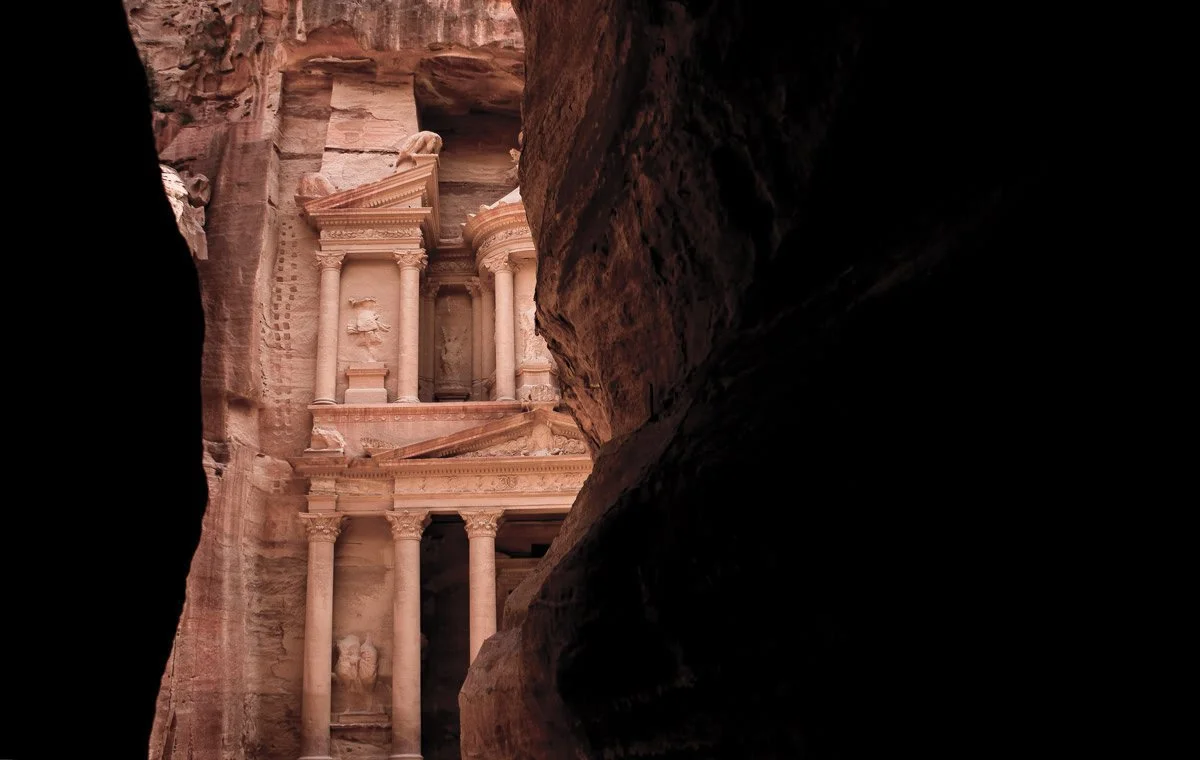

My interest in the illicit trafficking of cultural heritage began during fieldwork in conflict zones, where I witnessed firsthand the damage illegal trade inflicts on archaeological sites. Excavation doesn't always yield "treasures" — but when significant artifacts are uncovered, they must be protected immediately, sometimes under armed guard, and escorted to museums for safekeeping. That process made painfully clear the monetary value placed on these objects — objects that, to me, are irreplaceable fragments of human history: things I study, draw, and work to preserve.
A video released by jihadist forces, showing the deliberate destruction of pre-Islamic statues, friezes, and other priceless artifacts at the Mosul Museum, shook me deeply. Watching an Assyrian winged bull from the Nergal Gate — a masterpiece of Assyrian art — smashed apart was heartbreaking. Atrocities like this are part of what drives my commitment to raising awareness about endangered heritage. Preserving these monuments is, to me, a duty we owe to human memory.
Difference Between Looting and Theft
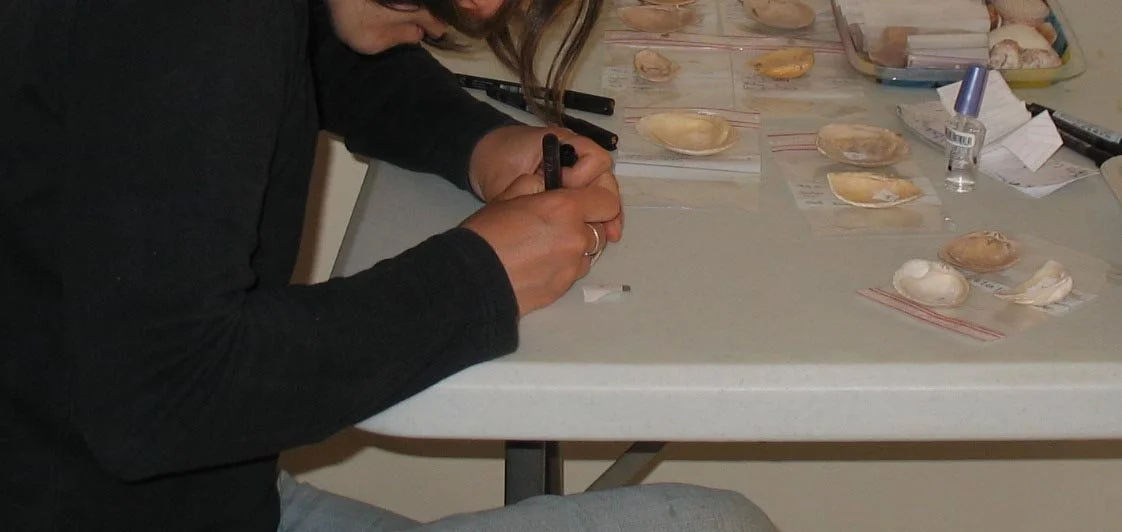
Marking each find with an inventory number is a small but essential act — it secures the object's traceability, protects its provenance, and can later support its identification or repatriation if it is ever stolen or displaced.
Archaeological objects unearthed during excavation are meticulously studied, photographed, marked, and drawn. They are then deposited in a museum and archived under a new inventory number, ensuring full traceability.
A looted object, by contrast, is removed illegally, outside any scientific process. Looters are driven solely by market value and potential buyers, with no regard for cultural significance.
As an archaeological illustrator, I have handled many such artifacts with respect and fascination. Shaped by ancient hands, these objects carry the stories of the people who made them. Seeing them trafficked and torn from their context is heartbreaking — they belong to a culture, and to its people.
Conflict and natural disasters sharply increase the risk of theft and trafficking. Many cases of looting go undetected or unresolved. The video below, produced by UNESCO's Beirut Office as part of the Emergency Safeguarding of the Syrian Cultural Heritage project, gives a clear picture of the scale of the problem.
My Only Weapon is My Pencil
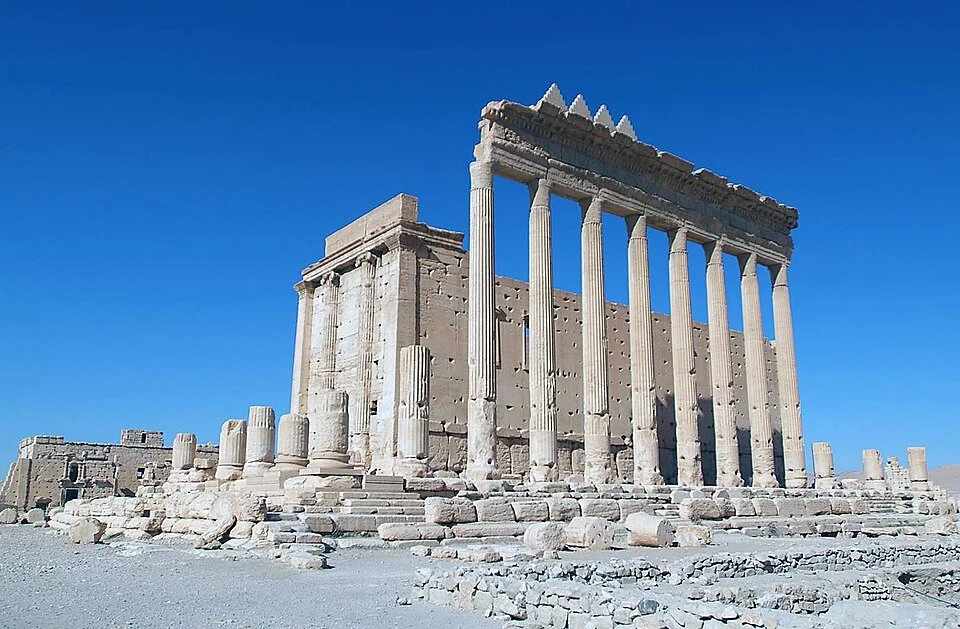
Temple of Bel, Palmyra, photo James Gordon, 2009 (Wikimedia Commons, CC BY 2.0), before its destruction by ISIS in 2015
I chose to illustrate endangered heritage because these places, however distant they may seem, hold artifacts that belong to our shared human history. Through my drawings, I hope to raise awareness of what is at risk of being lost — and to help preserve its memory for future generations.
During my travels and fieldwork, I have documented exceptional pieces: objects, bas-reliefs, and sculptures from regions marked by conflict. My drawings, rooted in hyper-realism and traditional stipple technique, are my way of giving these works a lasting record.